
The story
The customer
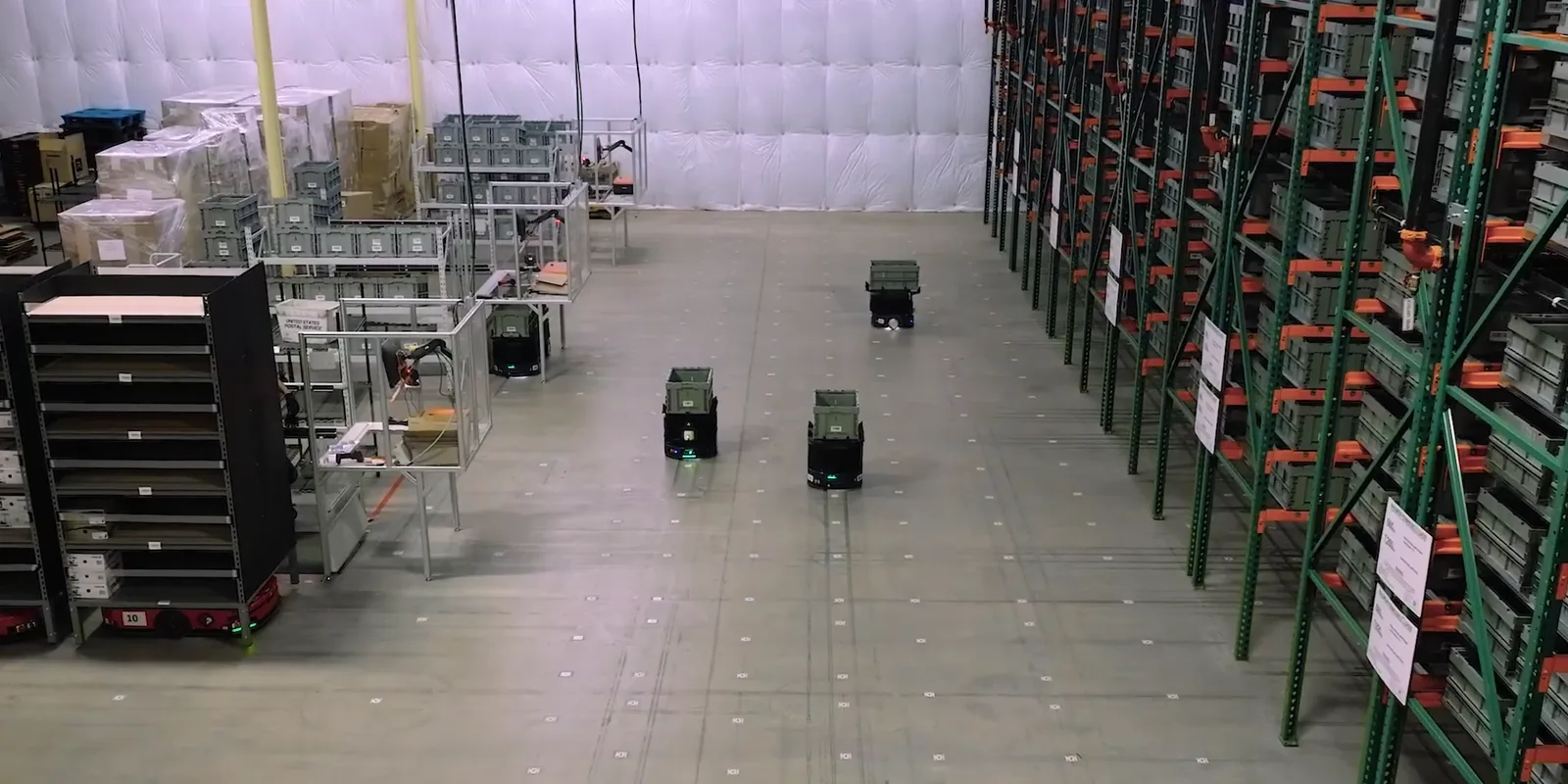
Weby Corp is an omni-channel retailer founded in 2009 and based in North Richland Hills, Texas, with two warehouses. It sells outdoor sporting goods (optics, hunting accessories, apparel and parts) on Amazon, eBay, Walmart and its own websites, and ships thousands of parcel orders a day, to consumers and to businesses. It runs on NetSuite and RF-SMART.
The challenge
Weby didn't have item dimensions it could count on. The figures it had came from Amazon and distributor databases, and they were often wrong:
- Its new robotic storage system couldn't go live: the robots use each item's size to choose a container, a shelf or a bin
- Shipping costs were calculated on inaccurate data
- Amazon charged storage fees on inflated dimensions
- Space was planned on bad numbers: once, 250 incoming pallets didn't fit in the warehouse as expected, and temporary space had to be found
Weby tried measuring by hand, with one associate, a ruler, a tape measure, a scale and a spreadsheet. It took minutes per item, errors crept in, and it tied up staff. Weby stopped after a month and looked at automation partners instead.
The setup
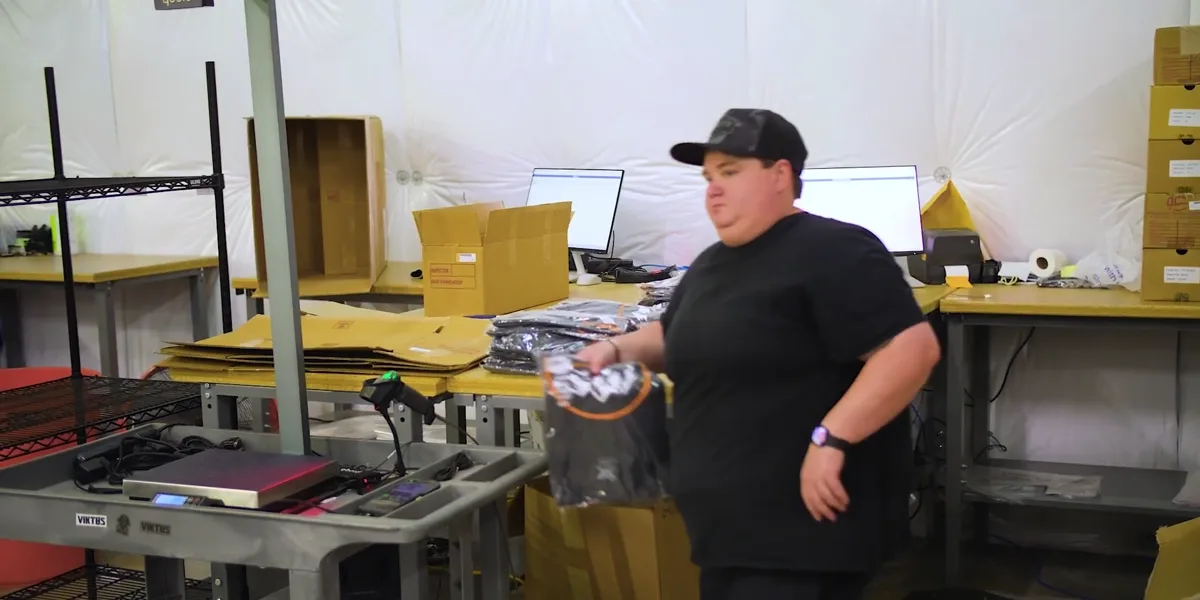
Weby started with the M2 in 2023, then added the S1, which brings an integrated scale and camera to the M2 for higher throughput at a bench. What the case study and the video show:
- Devices
- M2 Mobile Dimensioners, and the S1 Accessory at the receiving bench
- Where
- The receiving dock: SKUs are grouped, one of each is measured, and the product record is filled in
- Captured per item
- Dimensions, weight and a photo
- Where the data goes
- NetSuite and RF-SMART, so every system works from the same dimensions
- Go-live
- Within two hours, in Weby's words
Results and how they were measured
Weby reports that capturing an item went from minutes by hand to seconds: the M2 alone brought it down to seconds, and the S1 cut it further, with dimensions, weight and the photo in one capture. Tens of thousands of SKUs have been measured so far, and the receiving team went from up to 15 people to three or four.
The figures are Weby's own: the time per item before and after, and the size of its receiving team. The case study describes the other effects without putting numbers on them:
- The robotic storage system went live and works from measured item sizes
- Weby challenges Amazon storage fees when Amazon's dimensions are wrong, and claims reimbursement
- Shipping costs are calculated on real dimensions
- Space is planned on known item sizes, which avoids overstocking and improves cube use
The figures come from Weby Corp's published case study and its video. The SKU counts in the two differ (23,000+ in the case study, about 50,000 in the later video), so this page says "tens of thousands". Use of all of it here is Pending approval
How the data is used
- Robotic storage
- The robots' operating system reads each item's size to decide which shelf or bin it can go in.
- Marketplaces
- Verified dimensions back up claims when Amazon charges fees on the wrong size.
- Shipping and space
- Parcel costs and warehouse space are planned on measured sizes.